
The Psychology Behind Affiliate Marketing: Why People Click and Buy
Affiliate marketing isn’t merely about selling products — it’s about knowing people.
Why do they click on your link? What convinces them to trust your recommendation? And why do they ultimately purchase?
The key is consumer psychology — the mental and emotional triggers that shape people’s buying decisions.
In this blog, we’ll discuss the psychological principles of affiliate marketing and how you can leverage them to maximize conversions and trust in 2025 and beyond.
1. Knowing the Human Mind in Marketing
Prior to purchasing a product, individuals experience a set of thoughts and feelings. Affiliate marketing succeeds when you respond to those feelings and push them toward a resolution.
Main Psychological Triggers
- Trust – Individuals purchase from individuals they trust.
- Emotion – Individuals decide emotionally before logically.
- Social Proof – Individuals imitate what others do.
- Scarcity & Urgency – Fear of missing out motivates people.
- Authority – Recommendations from experts work.
Effective affiliates know these triggers and apply them positively to design effective marketing campaigns.
2. The Power of Trust and Authenticity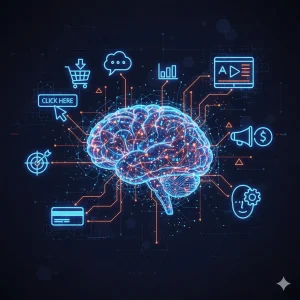
Trust is the building block of every conversion in affiliate marketing. If your readers don’t trust you, they won’t click — much less buy.
Building Trust:
- Be honest: Always reveal your affiliate links transparently.
- Use the product yourself: Provide actual experience, not scripted testimonials.
- Offer value first: Give good advice, tutorials, or comparisons before pitching.
- Be consistent: Consistent posting and communication increase credibility over time.
Example:
Rather than using “Buy this product now,” use “I used this tool for 6 months — here’s how it streamlined my workflow.”
This authentic, personal voice generates trust and authenticity that encourages clicks.
3. Emotional Marketing: Selling with Feelings
Humans make emotional choices first and logical ones second.
When you know your audience’s emotional drivers, your affiliate promotions are much more powerful.
Emotions That Drive People to Buy:
- Happiness: “This tool simplified my life.”
- Fear: “You miss out if you do not use it.”
- Desire: “You are worthy of a better experience.”
- Belonging: “Thousands of users rely on this product.”
- Relief: “A time-saving solution at last.”
Affiliate Tip:
Use storytelling in your copy — tell a personal story or transformation that resonates emotionally with readers.
Example:
“Previously, I was spending hours manually correcting errors. Now, it gets it all done in minutes.”
Such testimonies make your suggestion palpable and emotionally connecting.
4. Social Proof’s Influence
People tend to follow others. When we find others using or suggesting a product, we assume that it must be excellent.
That’s social proof, and one of the most powerful psychological spurs to affiliate marketing.
How to Use Social Proof:
- Insert testimonials or user reviews.
- Present case studies or success stories.
- Emphasize numbers: “More than 10,000 satisfied customers!”
- Employ influencer collaborations to establish credibility.
Example:
When selling a digital course, display a screenshot of good student results or social media shoutouts.
People feel safer and more confident about buying when presented with real examples.
5. The Scarcity and Urgency Effect
Nothing drives action more quickly than the fear of missing out — or FOMO.
Affiliate marketers commonly employ time-limited offers, countdown timers, or special discounts to create a sense of urgency.
Creating Scarcity:
- “3 seats remaining” for a product or course.
- “Expires in 24 hours.”
- Special bonuses for initial customers.
- When individuals think they will miss an opportunity, their minds go into decision mode.
But always do this ethically — imitating scarcity erodes trust in the long term.
6. The Power of Expertise and Authority
When you come across as a specialist, people are more likely to trust your recommendations.
Authority creates trust, and trust generates clicks.
How to Establish Authority:
- Publish educational content on a regular basis (tutorials, comparisons, or webinars).
- Partner with other trustworthy creators within your niche.
- Refer to certifications or experience related to the subject.
- Publish guest posts on authority websites.
Illustration:
A certified personal trainer and fitness blogger who is recommending a protein product has much more authority than an inexperienced person.
Expertise increases trust — and conversions.
7. The Principle of Reciprocity
Reciprocity is when you offer something of value, people feel obliged to repay.
In affiliate marketing, this is translated into giving free value prior to selling.
How to Utilize Reciprocity:
- Give away free guides or eBooks that really help.
- Give away discount codes or bonuses.
- Give away exclusive tips that solve real problems.
- Give away early access to content or deals.
- Once your audience feels helped, they’re more likely to click your affiliate link to return the favor — even unconsciously.
8. The Role of Consistency and Familiarity
People trust what they see repeatedly.
By appearing consistently and using a constant voice, affiliates establish familiarity and trust.
How to Use Consistency:
- Establish a posting schedule (blogs, emails, or videos).
- Use the same tone and visual branding for your brand.
- Feature similar types of tools or products in your niche on a regular basis.
The more familiar with you, the more likely your audience will be to follow your suggestions.
9. The Simplicity Effect
Humans prefer to shun complicated decisions. If your call-to-action or message is not clear, nobody will click.
This is why simplicity is so important in affiliate marketing.
Simplifying Your Message:
- Utilize clear call-to-action buttons such as “Get Started” or “Try for Free.”
- Don’t have long paragraphs — utilize bullet points and graphics.
- Make pricing and benefits simple.
- Walk users through step by step (e.g., “Click here → Sign up → Get your bonus”).
- A slick, uncomplicated experience eliminates doubt and makes clicking easy.
10. The Visual Psychology Factor
Imagery has the power to immediately influence emotions and choices. Colors, images, and designs all contribute to influencing purchasing decisions.
Visual Affiliate Strategies
- Employ warm color tones (orange, red) for call-to-action buttons — they grab attention.
- Include trust indicators such as badges or stars.
- Use authentic images or videos rather than generic stock images.
- Keep your design professional and clean.
Example:
A minimalist blog design with a clear “Buy Now” button and actual product photos does a lot better than messy pages.
11. Applying Storytelling to Create Connection
Stories are excellent psychological tools.
They make facts memorable and emotionally compelling. When you link your audience’s pain points with your own story, your suggestions feel authentic.
How to Apply Storytelling:
- Tell personal anecdotes — how you found a product.
- Demonstrate before-and-after results.
- Use customer testimonies.
- Employ narrative flow — struggle → discovery → solution → success.
- Stories sell because they put readers in the emotional state of, “This could be me.”
12. The Power of Cognitive Biases
Cognitive biases are mental shortcuts individuals use to make choices. Savvy affiliates utilize them for good to inform decisions.
Popular Biases in Affiliate Marketing:
- Anchoring Bias: Displaying a higher “original” price makes the sale price appear more desirable.
- Bandwagon Effect: “Everybody’s doing it” gets more folks to join.
- Loss Aversion: Individuals prefer not to lose something rather than to gain something (“Don’t miss out on this offer”).
- Confirmation Bias: Confirming what people already think makes them confident in the decision.
When responsibly applied, these psychological pushes improve engagement and conversions.

13. The Power of Community and Belonging
Humans want to belong. If individuals feel that they belong to a group that uses a particular product, they’re more likely to join.
How to Build Community:
- Establish Facebook groups, Discord servers, or online forums.
- Incentivize user-generated content (such as testimonials or reviews).
- Speak to followers as a real person.
- Milestones or user achievements.
A cohesive community fosters long-term loyalty and repeat affiliate sales.
Conclusion: Mastering the Psychology of Affiliate Success
Ultimately, affiliate marketing isn’t all about links — it’s all about people.
By knowing the way human psychology works, you can create genuine messages that engage trust, evoke emotion, and stimulate action.
Main Psychological Insights:
- Establish trust by being open.
- Connect emotionally with stories.
- Employ social proof and authority to stimulate confidence.
- Use urgency, reciprocity, and simplicity to stimulate action.
- Create community and consistency for sustained success