Enhancing Digital Reach & Shine Brighter with TejiDigital SEO
What is Search Engine optimization ?
Search Engine Optimization (SEO) means improving your website so people can easily find it on Google and other search engines through the best SEO services. When someone searches for something related to your business, SEO helps your website rank higher in the search results. You can think of SEO like this: if your website is a shop, SEO helps more people see and visit it. Without SEO, your website is like a shop hidden in a small street where no one can find it. SEO works in a few simple ways. First, it uses the right keywords, which are the words people type when searching. Next, it focuses on good content that provides helpful information to visitors. It also ensures your website loads quickly, looks good on phones, and is easy to navigate. Another part of SEO is getting links from other websites, which shows Google that your site is trusted and offers the best SEO services. When you do SEO well, people can find your website naturally without paying for ads. This is called organic traffic. It takes time, but results last long and help your business grow. SEO helps your website get noticed, reach more people, and grow your business online.

How SEO Works ?
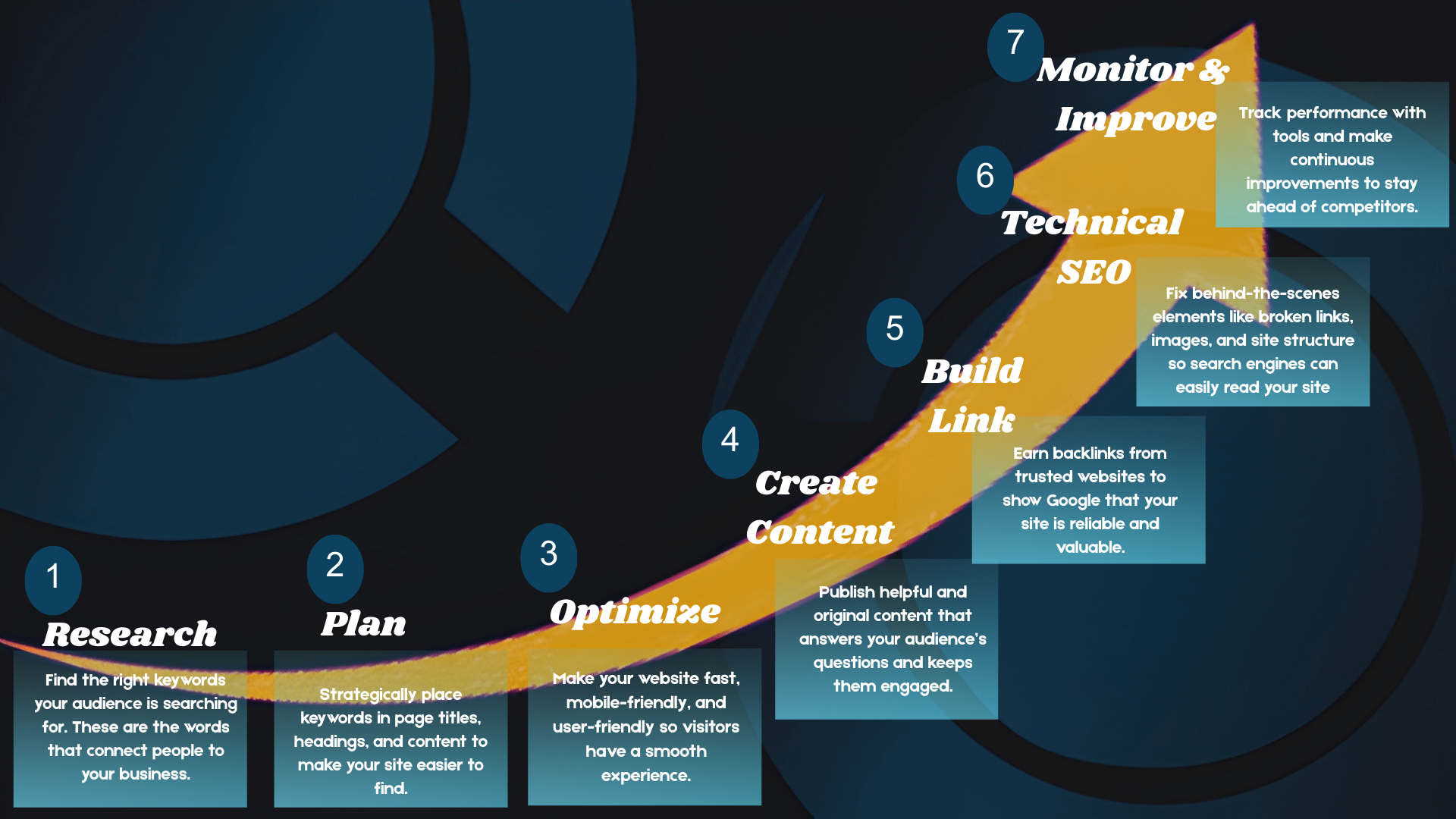
Categories of Search Engine Optimization
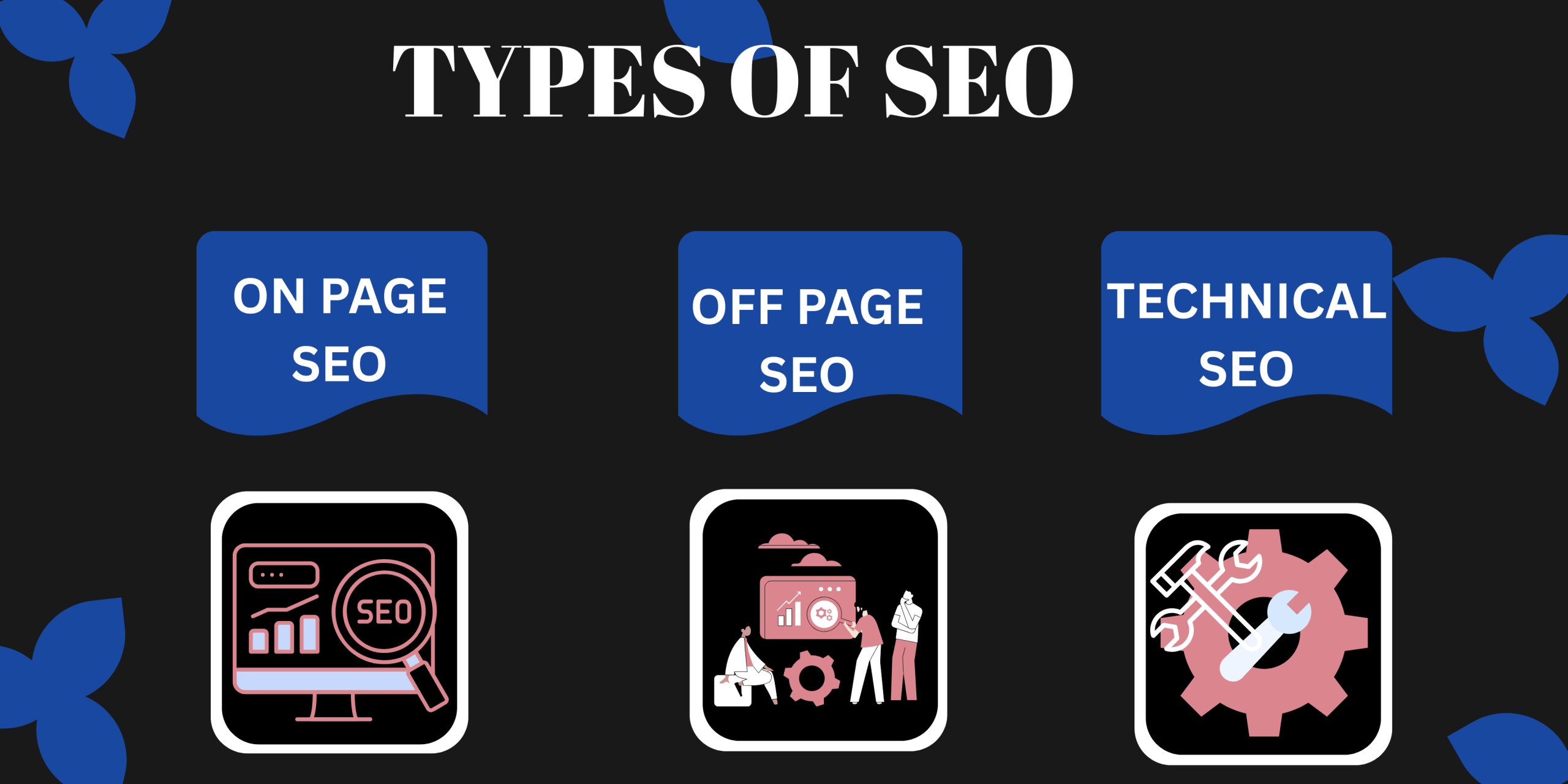
On Page Search Engine Optimization (SEO)
On-page SEO refers to the practice of optimizing web pages to improve rankings and attract relevant organic traffic through best SEO services. It involves making strategic enhancements directly to your content, HTML code, and overall site structure to help search engines understand that your content is valuable, relevant, and user-friendly. Adding images with proper alt text, internal links, and fast-loading pages also helps. Basically, on-page SEO improves your website’s visibility on search engines while giving visitors a smooth and helpful experience, making it easier for them to find what they’re looking for. Essentially, it’s about making each page the best it can be for both your audience and search engines using best SEO services practices.

Off-Page Search Engine Optimization (SEO)
Off-page SEO focuses on improving your website’s reputation beyond your own site. It aims to get backlinks from trusted websites, social media mentions, shares, and positive reviews. Think of it as earning votes of confidence online; the more people and sites trust your content, the more Google trusts it too. Off-page SEO demonstrates to search engines that your website is reliable, popular, and valuable. It helps your site rank higher in search results and attracts more organic visitors. These are people who find your website naturally because others trust and recommend it. In essence, off-page SEO helps position your website as a reputable and authoritative source in your industry.
Technical Search Engine Optimization (SEO)
Technical SEO is the engine behind the scene, Making your site fast, secure, and clean. It speaks the language that search bots know,
Guiding them smoothly where they need to go. main goal of On-Page SEO is to make your website helpful, trustworthy, and easy to use. When your site is clear, organized, and user-friendly, Google understands it better and ranks it higher in search results. This helps your website get more visitors and grow your business online. These technical improvements help search engines access and rank your content more efficiently, which can directly impact visibility in search results. A well-optimized technical foundation not only supports better rankings but also enhances the overall user experience by making your site faster, more secure, and easier to navigate. In short, technical SEO lays the groundwork that allows your content and keywords to perform at their best in search engine rankings.
Techniques of SEO
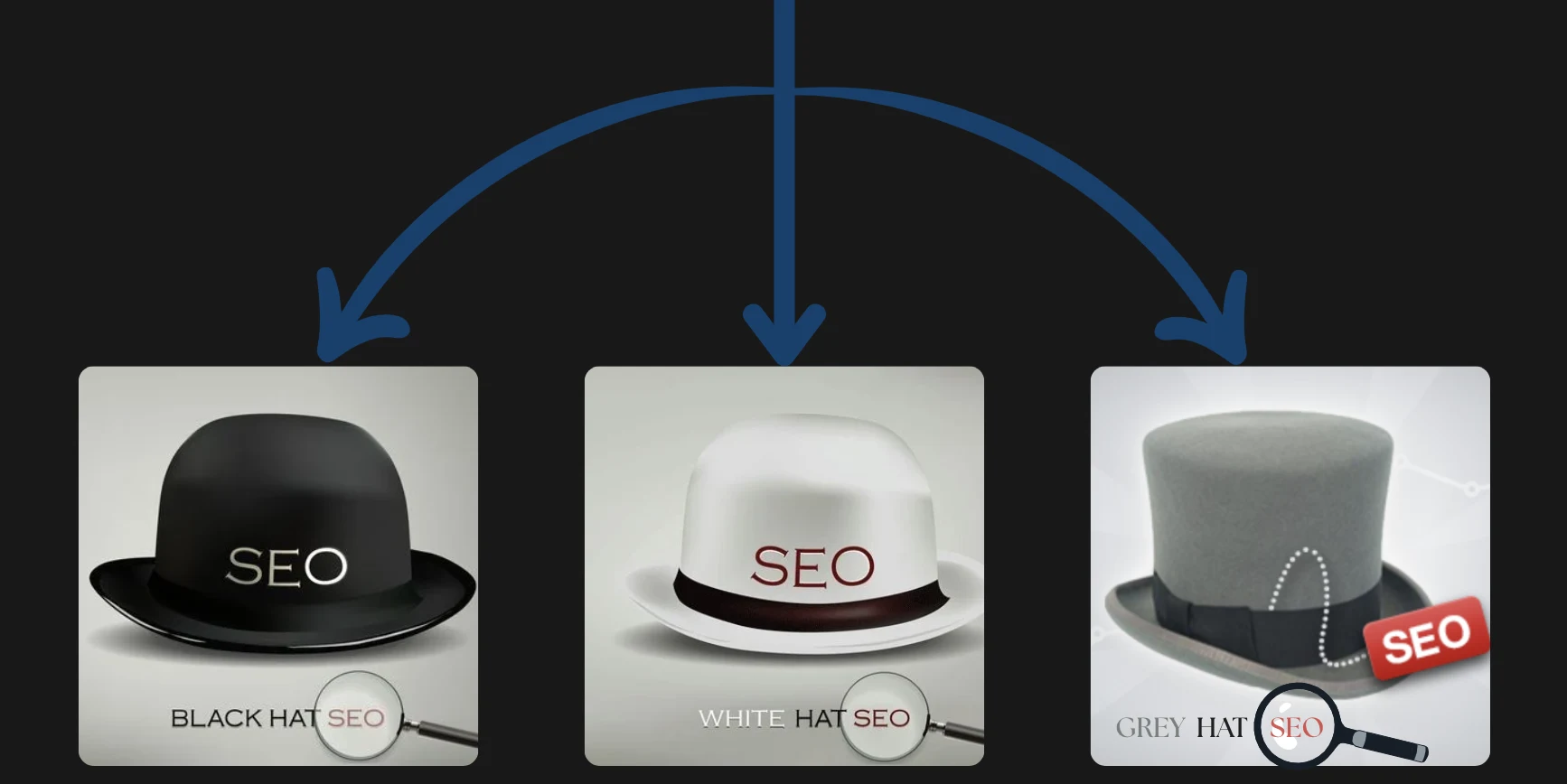
Black Hat SEO means using tricks to make a website rank higher fast — even if those tricks break search engine rules. Instead of helping people, black hat tactics try to fool search engines. Common examples are keyword stuffing (cramming keywords unnaturally), hidden text or links, and buying lots of low-quality backlinks. These methods can give quick gains, but they’re risky. Search engines like Google can spot cheating and may penalize or remove your site from results, which can hurt your business for a long time.
White Hat SEO means doing SEO the right and honest way. It follows all the rules and guidelines set by search engines like Google. Instead of trying to cheat the system, it focuses on creating quality content, using relevant keywords, and making your website fast and easy to use. This approach prioritizes helping people over just chasing rankings. When you use White Hat SEO, your website builds trust, grows steadily, and avoids penalties. It might take some time to see results, but those results last longer and are worth the effort. In simple terms, White Hat SEO is the clean, fair, and smart way to grow your website online.
Grey Hat SEO blends White Hat (safe) and Black Hat (risky) SEO techniques. It isn’t completely against the rules, but search engines like Google do not fully endorse it either. People use grey hat methods to achieve quicker results without relying on clearly unethical practices. Examples include buying old domains, swapping backlinks, or producing content mainly for ranking instead of for users. These tactics might work for a while, but they come with risks if Google changes its rules or recognises these methods.
Maximize essential SEO tools to enhance your optimization strategy


FAQ (Frequently Asked Questions)
SEO improves your website’s visibility on Google so people can easily find your business online.
Usually, you’ll start seeing results in 3–6 months with consistent effort
It helps you get more organic traffic, builds credibility, and increases leads or sales.