
Empowering Your Brand with Next-Level Web Development
What is Website Developer ?
Website development is the ability to establish and manage a website that is functional on the internet. It encompasses everything from page design to writing code to functioning users should be aware of for the site to function. Developers work in coding languages such as HTML, CSS, and JavaScript to build the parts of the website that the visitor interacts with. Other developers, depending on the site and the amount of controlled data, work on managing the website performance that the public does not see. A good website is fast, fluid, user-friendly, and has some level of mobile responsiveness. Website development is not only about styling; but building an offering a compelling online presence to facilitate the expansion, customer attraction, and deliver a message.

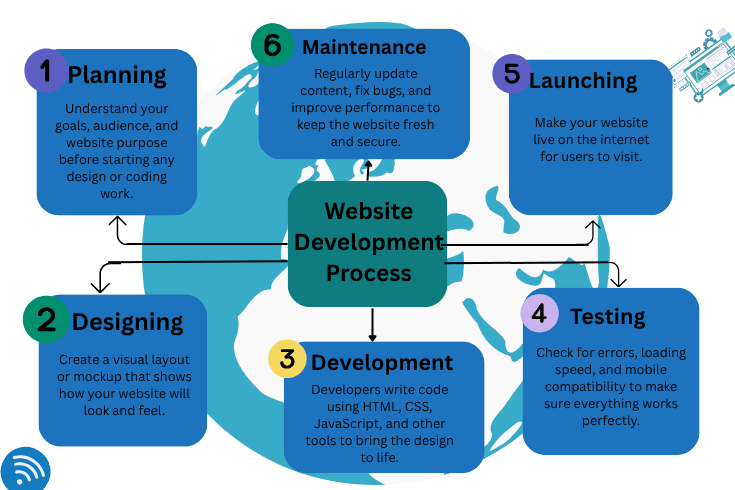
Website Development Process (Roadmap)
What is Domain ?
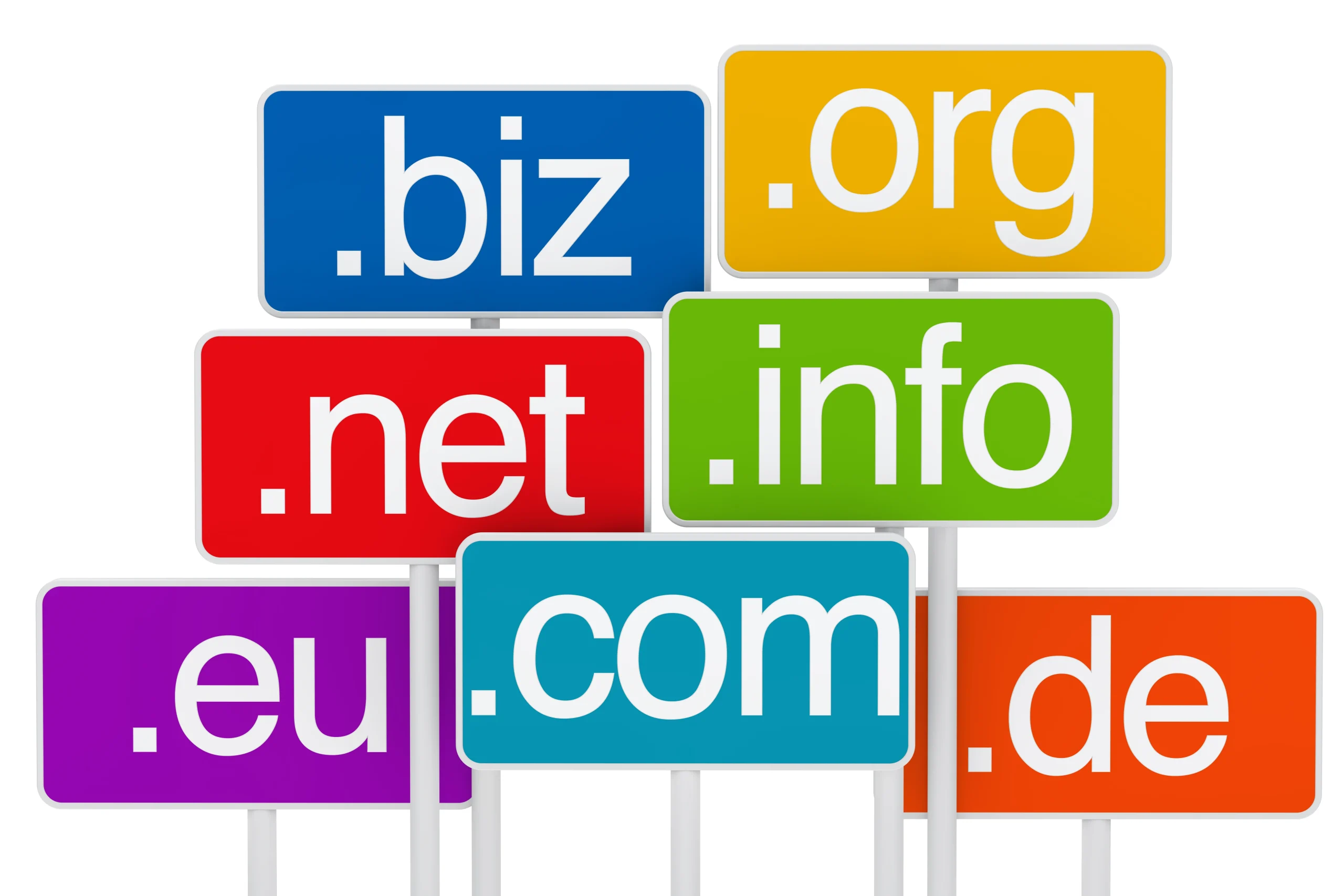
A domain is simply the address of your website - it’s what someone types into their browser to visit your website. The domain can be conceptualized as an online address, which essentially is a web location for your online existence. The domain can also be used in standard form without "www."; i.e. example.com. In fact, example.com is the domain found in the aforementioned example. Domains make it simple for users to visit your website instead of remembering a long IP address like 123.456.78.90. Just like real estate, domains are unique, and just like real estate, you do not own the domain, you essentially rent it by registering through a domain registrar. Domains can legitimately come with endings too, such as .com, .org, .net, or country specific endings such as .in for India. Selecting a good domain forms part of your branding, seo, and authority. A domain is your digital identity that represents you or your business brand and is also an identity for your visitors to easily recognize and remember.
What is Hosting ?
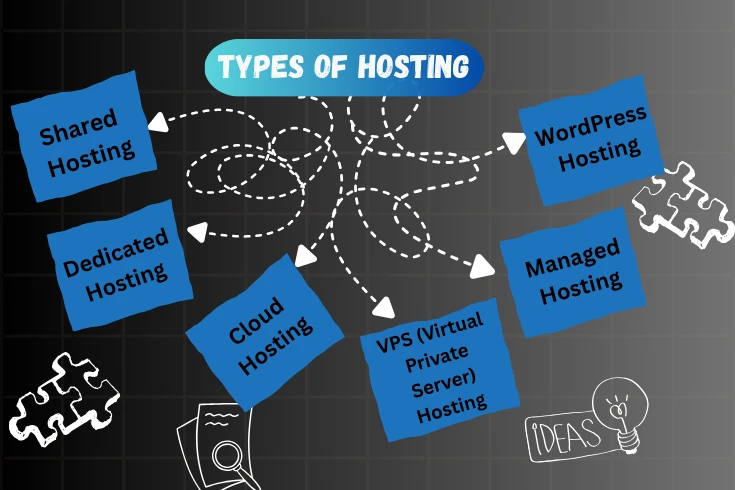
Web hosting is a service that makes your website available on the internet. When you build a website, you will have files containing images, text, code, and more, that will need a safe place to live. Hosting gives those files a "home" on a special computer called a server. When someone types in your domain name, the hosting server serves your website to any device attached to the internet. Generally there are four main types of hosting that you may host your website with. These include shared hosting, VPS - Virtual Private Server, cloud hosting, and dedicated hosting. These different types of hosting can differ in the speed and control. Good hosting should help keep your website fast, secure, and consistently up online, so your visitors can visit your website without any problems anytime.

TYPES OF HOSTING
Static Website
Dynamic Website
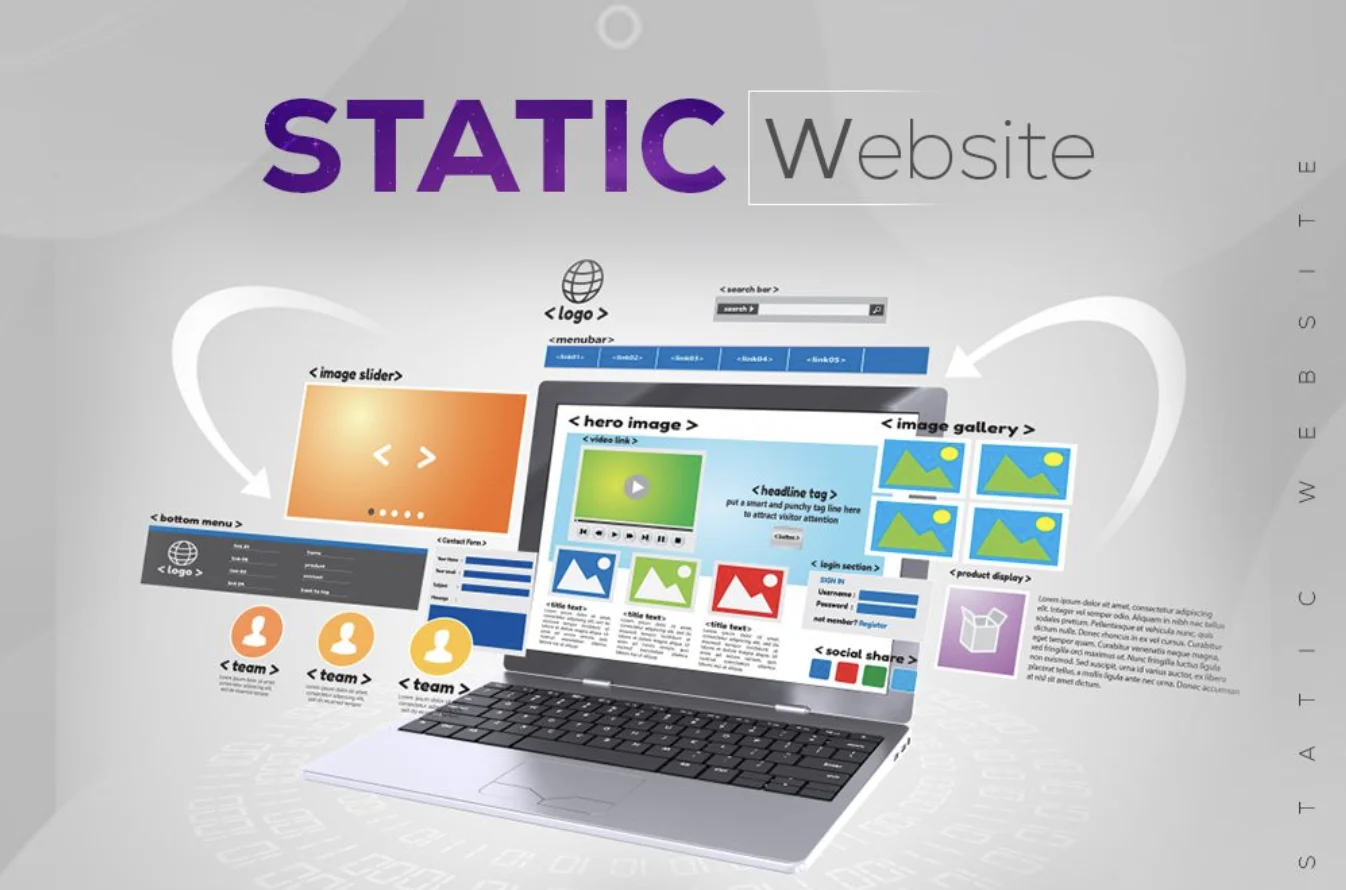

A static website is a kind of website where every visitor will see the same thing. Static websites are made of static web pages that you create in HTML, CSS and sometimes JavaScript. Each page looks the same as when it was designed in - unless the developer manually updates the code. Static websites load fast, are secure, and are simple to host - making them ideal for small businesses, portfolios or informational sites that don't need to be updated a lot! Static websites don't contain databases, so they load fast and maintain themselves with less effort. However, they lack dynamic features such as user login and real time updates. In short, a static website is easy to use, stable and an effective way to feature fixed content.
A dynamic website changes and updates automatically based on user actions or data. In contrast to static website, it uses databases, server-side scripts, and CMS tool to display different information to different visitors. For example, shopping websites, social networks and blogs show new posts, products, or users profiles, in real-time. Dynamic websites require languages like php, javascript, or python and are linked to a database to store and access to manage content efficiently. Dynamic websites are perfect for businesses that need regular updates, user interaction, or online payment transactions. However, the extra efforts, dynamic website function needs more development and hosting than a static site. Dynamic websites provide flexible options, personalize websites more, and improve usability, which makes it appropriate.
Categories of Website Developers
-
Front-End Developer
Creates the visuals and layout or design of the website that the user views and interacts with. The main coding languages for front-end development are HTML, CSS.
-
Back-End Developer
This means that they build the work unseen by the user — working with the servers, database and all functionalities for the website to work properly.
.
-
Full-Stack Developer
They work with both front-end development and back-end development, managing the entire development of the website from beginning to end.
-
Web Designer
They design the overall "look and feel" of the website — they create the design for each page of the site, the color scheme, and the overall visual style of the site in general to match the business's brand.
-
WordPress Developer
They build and customize websites using WordPress, and they are familiar with various themes, plugins, and other tools.
-
E-Commerce Developer
They build online stores, complete with payment processing, product pages and any other features that will help consumers shop.
Tools for Website Development

FAQ (Frequently Asked Questions)
A website builds trust, attracts new customers, and gives your brand a professional online presence.
Yes, all modern websites are responsive and work perfectly on phones, tablets, and computers.
It usually takes 2–6 weeks, depending on the design, features, and content.
Yes, we offer regular updates, backups, and performance checks to keep your website secure and fast.